COO Executive Recruitment: Handling the Modern Supply Chain Maze
Compared to a decade ago, the manufacturing industry has taken on a whole new look. Digital transformation, geopolitical complexity, and customer expectations have rewritten the playbook for operational leadership. If your organization wants to thrive, securing top talent through chief operating officer (COO) executive recruitment isn’t optional, it’s strategic insurance for your supply chain future.
But here’s the nuance: today’s ideal COO isn’t just a Lean Six Sigma guru. They’re global negotiators, tech-savvy architects of agile workflows, and crisis-tested leaders who thrive in uncertainty. For companies wrestling with complex supply chains and fierce competition for supply chain jobs, understanding this evolution is critical.
Below, we dive into what modern manufacturing COO’s excel at, why traditional promotion approaches may fall short, and how executive search accelerates success. Let’s get into the details.
Table of Contents
Why the Hub of a Supply Chain Needs a New Kind of COO
Let’s start with context: supply chains are evolving at breakneck speed. The latest industry analyses show that global supply chain operations are no longer linear systems you can optimize once and leave alone. Instead, they’re intricate ecosystems shaped by AI adoption, geopolitical instability, and dynamic customer demand.
In this new era, a COO’s remit extends far beyond cost control or operational efficiency:
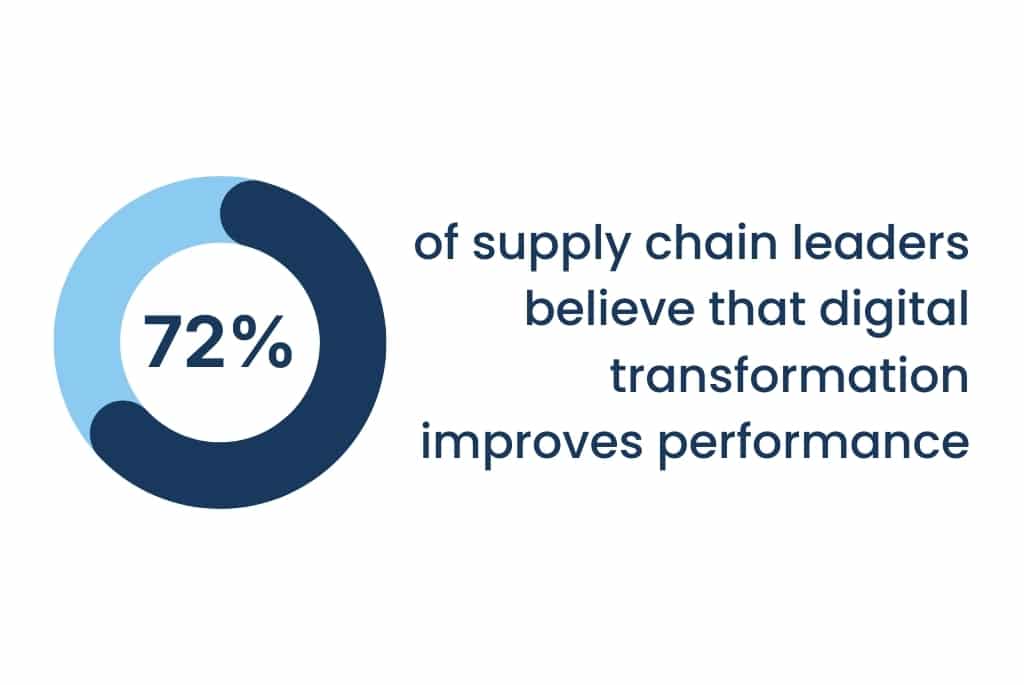
- Digitally empowered decision-making: 72% of supply chain leaders believe digital transformation boosts performance; not as an add-on but at the core of operation strategy.
- Global risk navigation: Supply chain shocks from tariffs, labor strikes, or port disruptions can ripple across continents in hours, making resilience planning a boardroom priority.
- Workforce transformation: Modern supply chain jobs demand analytical, tech, and strategic skills, not just warehouse know-how.
Given this environment, the C-suite needs COO’s who can translate complexity into clarity and anchor strategy with execution.
What Makes a Great Manufacturing COO in 2026
Let’s break down the capabilities defining success in today’s supply chain maze.
Mastery of Global Vendor Negotiations
A global supply chain means a global supplier network and global complexity.
Manufacturers are no longer dealing with suppliers within a 200-mile radius. They’re managing multi-tiered networks where costs, delivery forecasts, and political risk vary by region.
A standout COO can:
- Negotiate contracts that build resilience and value.
- Understand currency, trade policy, and compliance dynamics.
- Balance cost pressures against delivery reliability and quality.
This isn’t just procurement expertise; it’s strategic diplomacy with commercial rigor built in.
Cutting-Edge Logistics and Digital Tool Savvy
Tech is a centerpiece of supply chain transformation.
In 2026, automation, AI, IoT, and predictive analytics are expected to cut costs, increase throughput, and reduce variability, but only if leaders know how to leverage them.
Top-tier COOs:
- Integrate digital systems to give real-time visibility across the value chain.
- Use data to forecast disruptions before they become crises.
- Partner with IT and digital leaders to build workflow agility.
In this sense, a COO is a chief data consumer, championing digital workflows that unlock competitive edge.
Scenario Planning and Change Management (Not Just Lean Tools)
Lean methodologies and Six Sigma used to be the gold standards for manufacturing COOs. Today, they’re expected baseline knowledge, not differentiators.
Modern COOs must:
- Build structures that anticipate disruption before it hits.
- Manage cross-functional change, from procurement to production to delivery.
- Embed scenario planning into operational rhythm.
This proactive mindset is what separates companies that recover after disruption from those that thrive throughout it.
The Data Behind Supply Chain Job Markets
Understanding the talent landscape helps illustrate why executive search matters.
The supply chain job marketplace is buoyant but demanding:
- Average supply chain professionals in the U.S. earn competitive salaries around $103,000 annually (52% above the national average).
- Over two-thirds of supply chain professionals report optimism about their career growth and mobility.
- Across the industry, digital literacy, analytics skills, and global negotiation capabilities are among the fastest-growing requirements for new roles.
This context matters: tomorrow’s COO doesn’t emerge from yesterday’s job descriptions. They come from talent pipelines shaped by digital expectations, strategic decision-making, and resilience expertise.
The demand for supply chain jobs with advanced strategic responsibilities means competition for top COO’s is fierce. Companies that rely solely on internal promotions or traditional recruiting will miss out on transformational leaders.

Common Missteps in COO Pathways: Inside vs. Outside Talent
If you’ve spent time in manufacturing or operations leadership, you’ve likely seen well-intentioned but flawed promotion approaches. Let’s explore the key pitfalls.
Promoting From Within Without Strategic Rigor
Internal promotions can accelerate onboarding and reward institutional knowledge but they can also entrench outdated thinking.
Common missteps include:
- Assuming good managers make great COO’s. Leadership at a tactical level doesn’t automatically translate to strategic orchestration of complex value chains.
- Neglecting digital fluency. Leaders groomed in legacy systems may struggle with AI, analytics platforms, or cloud-based integration.
- Missing a broader lens. Internal candidates can be too close to existing norms to see where bold evolution is needed.
The result? A leadership gap that slows transformation, erodes competitiveness, and limits organizational resilience.
The Power of Executive Search for COO Executive Recruitment
An external executive search brings:
- Broader talent exposure: From Fortune 500 strategists to digital transformation leaders in adjacent industries.
- Unbiased assessment: Pinpointing candidates with high strategic impact, not just strong operational resumes.
- Market insights: Using compensation data, leadership trends, and competitive benchmarks to attract the best.
Executive search isn’t about filling a seat; it’s about future-proofing your organization.
The Richmond Group USA Advantage in COO Executive Recruitment
At The Richmond Group USA, we understand that COOs today are navigators of complexity, architects of resilience, and drivers of sustainable performance.
Here’s how we help you master that supply chain maze:
Deep industry expertise: We target candidates with proven global negotiation and digital leadership experience.
Future-ready assessments: Evaluating strategic thinking, change management skills, and crisis resilience.
Tailored search frameworks: We align COO profiles with your company’s growth trajectory and operational maturity.
What’s more, our approach is consultative. We work with your executives, not around them, ensuring alignment, clarity, and buy-in throughout the process.
Building Tomorrow’s Supply Chain Leadership Today
Let’s be clear: the manufacturing Chief Operating Officer (COO) role has undergone seismic shifts:
- The global landscape is more interconnected. What happens in Shanghai, Rotterdam, or LA affects your factory floor.
- Technology is rewriting operational playbooks. Analytics, automation, and real-time tracking aren’t luxuries, they’re requirements.
- Talent expectations have evolved. Professionals want meaningful, strategic roles.
For companies serious about growth, resilience, and market leadership, COO executive recruitment must be intentional, data-informed, and future-focused.
Whether you’re facing talent shortages, restructuring for digital growth, or navigating global supply disruptions, securing the right COO is a competitive differentiator. And partnering with a recruiter like The Richmond Group USA ensures you’re not just filling a seat; you’re elevating your operational compass.
Conclusion: Redefining COO Leadership for a Complex Future
COOs today are strategic navigators of complexity. They balance negotiation, technology, human capital, and risk in a way that wasn’t expected a decade ago. Successful COO executive recruitment prioritizes:
- Strategic agility over operational conformity
- Digital fluency over legacy credentials
- Global perspective over local optimization
In the shifting terrain of supply chain jobs, the right COO isn’t just a leader; they’re a linchpin in your organization’s ability to innovate, adapt, and win.
If your team is ready to outpace disruption and transform operational leadership, The Richmond Group USA can help you find the leader who turns complexity into competitive advantage.